
NAD+ and Glutathione Research Compounds (Scientific Overview in the USA)
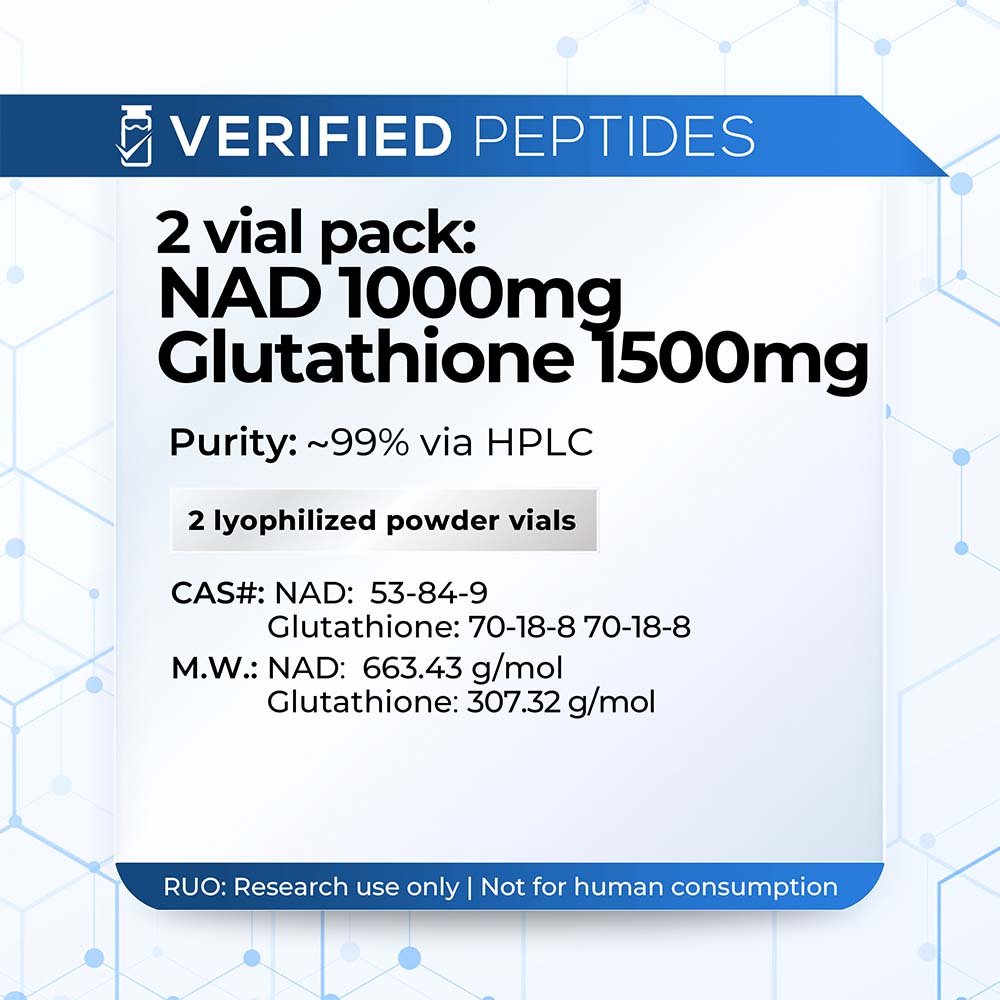
NAD+ (Nicotinamide Adenine Dinucleotide) and Glutathione are two of the most widely studied molecules in cellular biology, metabolic science, and oxidative stress research. Together, they are frequently discussed in scientific literature focused on energy metabolism, mitochondrial function, detoxification pathways, and cellular aging mechanisms.
Researchers across the United States continue to investigate how NAD+ and Glutathione interact within biological systems responsible for energy production, antioxidant defense, and cellular repair processes. These two compounds play essential roles in maintaining cellular homeostasis and are central to modern longevity and metabolic research.
What Is NAD+?
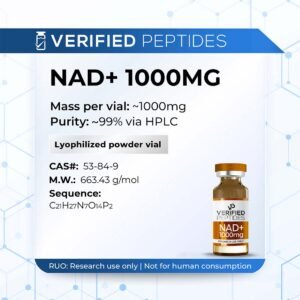
NAD+ (Nicotinamide Adenine Dinucleotide) is a coenzyme found in all living cells. It plays a critical role in energy production and metabolic function by facilitating redox reactions in the mitochondria.
In scientific research, NAD+ is primarily studied for its involvement in:
- Cellular energy production (ATP synthesis)
- Mitochondrial function and efficiency
- DNA repair and genomic stability pathways
- Sirtuin activation and longevity signaling
- Metabolic regulation and glucose utilization
- Aging-related cellular decline mechanisms
NAD+ levels naturally decline with age, which has led to significant research interest in its role in age-related metabolic dysfunction and mitochondrial performance.
What Is Glutathione?
Glutathione is a naturally occurring tripeptide composed of glutamine, cysteine, and glycine. It is often referred to as the body’s “master antioxidant” due to its central role in protecting cells from oxidative stress and maintaining redox balance.
In scientific research, Glutathione is studied for:
- Cellular antioxidant defense mechanisms
- Detoxification and liver function pathways
- Immune system regulation and support
- Reduction of oxidative stress damage
- Mitochondrial protection and repair
- Inflammation and cellular stress response
Glutathione is present in nearly every cell of the body and is essential for neutralizing reactive oxygen species (ROS), which can damage cellular structures if left unchecked.
NAD+ and Glutathione in Combined Research
Although NAD+ and Glutathione operate through different biological mechanisms, they are often studied together because of their complementary roles in cellular health.
Research interest in their combined function includes:
- Mitochondrial energy production and protection
- Oxidative stress reduction and antioxidant synergy
- Cellular aging and longevity pathways
- Detoxification and metabolic resilience
- DNA repair and cellular regeneration support
NAD+ supports energy metabolism, while Glutathione helps protect cells from oxidative damage generated during metabolic processes. This functional balance is a key focus in modern cellular biology research.
Why Researchers Study NAD+ and Glutathione
Both compounds are essential in understanding how cells maintain energy production, resist oxidative stress, and regulate aging processes.
Key research areas include:
- Mitochondrial dysfunction and metabolic disease models
- Aging and longevity science
- Neurodegenerative disease research pathways
- Liver detoxification and oxidative stress studies
- Immune system regulation and cellular defense mechanisms
- DNA repair and epigenetic stability research
These compounds are widely studied in preclinical and laboratory environments to better understand how cellular systems maintain balance under stress conditions.
Mechanisms of Action (Research Overview)
NAD+ Mechanisms
- Electron transfer in metabolic redox reactions
- Activation of sirtuin enzymes linked to longevity pathways
- Support of mitochondrial ATP production
- Involvement in DNA repair enzyme systems
- Regulation of circadian rhythm-related metabolism
Glutathione Mechanisms
- Neutralization of reactive oxygen species (ROS)
- Detoxification through conjugation reactions in the liver
- Recycling of other antioxidants (Vitamin C, Vitamin E)
- Regulation of immune response signaling
- Protection of mitochondrial membranes from oxidative damage
Together, these mechanisms support a broad network of cellular defense and energy regulation systems.
Importance in Cellular Health Research
NAD+ and Glutathione are considered fundamental components in cellular biology because they influence multiple overlapping systems responsible for maintaining cellular integrity.
Researchers often focus on:
- Cellular aging and senescence pathways
- Mitochondrial energy efficiency
- Oxidative stress and inflammation balance
- Metabolic syndrome and glucose regulation models
- Neuroprotective and cognitive aging research
The decline of NAD+ and Glutathione levels with age has been associated in research with reduced mitochondrial efficiency and increased oxidative stress in cells.
NAD+ vs Glutathione Functions
While both compounds are essential for cellular health, they serve distinct biological roles.
NAD+
- Focuses on energy production and metabolism
- Supports mitochondrial ATP generation
- Activates longevity-related enzymes
Glutathione
- Focuses on antioxidant defense and detoxification
- Protects cells from oxidative damage
- Supports immune and liver function
Their combined research value lies in the balance between energy production and cellular protection.
Scientific and Research Context
NAD+ and Glutathione are extensively studied in molecular biology, biochemistry, and aging research fields.
Current research explores:
- How NAD+ influences mitochondrial aging processes
- How Glutathione maintains intracellular redox balance
- The relationship between oxidative stress and cellular decline
- The role of antioxidants in chronic disease models
- Cellular resilience under metabolic stress conditions
These compounds are foundational to understanding how cells respond to environmental and metabolic stressors.
Storage and Laboratory Handling (Research Use Only)
In laboratory environments, NAD+ and Glutathione compounds are typically handled under controlled conditions to maintain stability.
Standard research handling practices include:
- Refrigerated storage in controlled environments
- Protection from heat, light, and moisture
- Sterile laboratory handling procedures
- Avoidance of contamination or repeated freeze-thaw cycles
- Proper labeling and documentation in research settings
Proper handling ensures consistent results in experimental conditions.
Important Research Disclaimer
NAD+ and Glutathione compounds are intended strictly for laboratory and scientific research purposes only. They are not approved by the FDA for medical treatment, diagnosis, or therapeutic use in humans outside regulated clinical settings. All information provided is for educational and research purposes only.
Final Research Summary
NAD+ and Glutathione remain two of the most important molecules in modern cellular biology research. Their roles in energy metabolism, oxidative stress regulation, mitochondrial protection, and cellular aging make them central to ongoing studies in longevity science and metabolic health research.
As scientific understanding continues to evolve, interest in these compounds is expected to grow further in fields such as regenerative medicine, neurobiology, and age-related disease modeling.