
TB-500, BPC-157 & KPV Research Peptides (Scientific Overview in the USA)
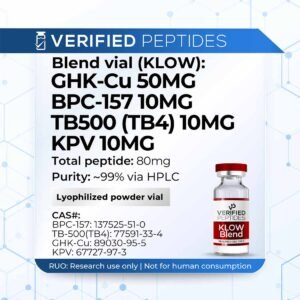
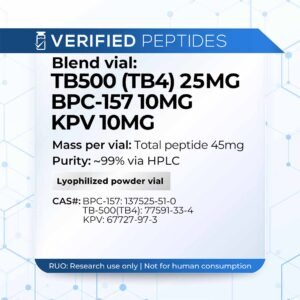
TB-500, BPC-157, and KPV are three widely discussed peptides in biomedical research focused on tissue repair mechanisms, inflammatory pathway regulation, and cellular recovery processes. These compounds are frequently referenced in experimental studies exploring wound healing biology, immune response modulation, and regenerative science.
Researchers in the United States continue to investigate how individual peptides and peptide combinations may interact with biological systems involved in healing, inflammation control, and cellular regeneration. While each peptide has a distinct profile, they are often studied together in laboratory environments due to their complementary areas of biological interest.
Understanding TB-500 in Research Context
TB-500 is a synthetic peptide fragment related to thymosin beta-4, a naturally occurring protein found in nearly all human and animal tissues. In research settings, TB-500 is commonly studied for its potential role in cellular migration, tissue repair signaling, and angiogenesis-related pathways.
Scientific interest in TB-500 is largely centered around:
- Cell migration and tissue regeneration models
- Actin regulation and cytoskeleton organization research
- Wound healing and recovery pathway studies
- Angiogenesis (new blood vessel formation) research
- Muscle and connective tissue repair mechanisms
Studies on thymosin beta-4 derivatives suggest that these peptides may influence actin-binding proteins, which are essential for cellular movement and structural repair processes in damaged tissue models.
Understanding BPC-157 in Research Context
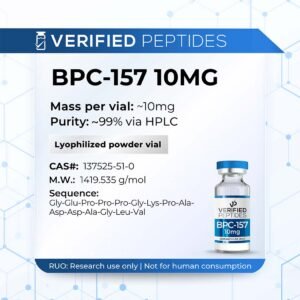
BPC-157 is a synthetic peptide derived from a protective protein found in gastric juice. It has gained significant attention in preclinical research for its potential role in gastrointestinal protection, tissue healing, and inflammatory regulation pathways.
Research models frequently examine BPC-157 in relation to:
- Gastrointestinal tract protection and repair
- Soft tissue healing and regeneration
- Tendon and ligament recovery pathways
- Inflammatory response modulation
- Angiogenesis and vascular repair studies
Preclinical studies suggest that BPC-157 may interact with nitric oxide signaling pathways and growth factor regulation mechanisms involved in tissue repair. However, most findings remain within animal and laboratory research frameworks.
Understanding KPV in Research Context
KPV is a tripeptide composed of lysine, proline, and valine. It is derived from alpha-melanocyte-stimulating hormone (α-MSH) and is widely studied for its potential anti-inflammatory signaling properties.
In scientific research, KPV is often investigated for:
- Inflammatory cytokine regulation pathways
- Immune response modulation studies
- Skin barrier and epithelial repair models
- Gut inflammation and mucosal protection research
- Antimicrobial peptide interaction pathways
KPV is of particular interest in immunology because it appears to interact with inflammatory signaling cascades such as NF-κB pathways in experimental models.
Why Researchers Study TB-500, BPC-157 & KPV Together
Although each peptide operates through different biological mechanisms, researchers often study them in combination to better understand multi-pathway tissue repair and inflammation control.
Combined research interest includes:
- Synergistic tissue repair mechanisms
- Multi-pathway inflammation regulation
- Immune response balance and recovery
- Connective tissue regeneration models
- Vascular and cellular repair interactions
This combination is especially relevant in experimental regenerative medicine studies where multiple biological systems are involved in healing processes.
Key Research Applications in the USA
Across research institutions and laboratory environments in the United States, TB-500, BPC-157, and KPV are commonly explored in:
- Regenerative medicine research
- Orthopedic tissue repair studies
- Gastrointestinal biology models
- Immunology and inflammation research
- Wound healing and recovery science
- Cellular regeneration and repair pathways
These peptides remain strictly within the scope of experimental and preclinical research and are not classified as approved therapeutic agents.
Mechanisms of Action (Research-Based Overview)
TB-500 Mechanisms
- Actin regulation and cytoskeletal remodeling
- Cell migration enhancement in tissue models
- Angiogenesis signaling pathways
- Structural repair processes in damaged tissue
BPC-157 Mechanisms
- Modulation of growth factor signaling
- Nitric oxide pathway interaction
- Gastrointestinal mucosal protection pathways
- Tissue regeneration and angiogenesis support
KPV Mechanisms
- Anti-inflammatory cytokine regulation
- NF-κB pathway modulation
- Immune signaling balance
- Epithelial barrier protection pathways
Together, these peptides are studied for their involvement in overlapping biological systems related to inflammation control and tissue repair.
Scientific Importance of Peptide Research
Peptide-based research continues to grow in the United States due to the increasing focus on regenerative medicine, cellular biology, and targeted molecular therapies.
Key advantages of peptide research include:
- High biological specificity
- Targeted receptor interactions
- Lower systemic disruption compared to traditional compounds
- Ability to study precise signaling pathways
- Relevance to regenerative and inflammatory conditions
TB-500, BPC-157, and KPV represent a broader category of peptides that help researchers better understand how the body regulates repair and inflammation at a molecular level.
Storage and Laboratory Handling (Research Use)
In laboratory environments, peptide compounds such as TB-500, BPC-157, and KPV are typically handled as lyophilized powders.
Standard research storage practices include:
- Refrigeration in controlled environments
- Protection from light and heat exposure
- Sterile laboratory handling procedures
- Avoiding repeated freeze-thaw cycles
- Maintaining proper documentation and labeling
Proper handling ensures stability and consistency in experimental conditions.
Important Research Disclaimer
TB-500, BPC-157, and KPV are intended strictly for laboratory and scientific research purposes only. They are not approved by the FDA for human consumption, medical treatment, or therapeutic use. All information provided is for educational and research context only and should not be interpreted as medical advice.
Final Scientific Summary
The combination of TB-500, BPC-157, and KPV continues to attract strong interest in regenerative medicine and molecular biology research due to their involvement in tissue repair, inflammation control, and cellular signaling pathways.
Ongoing studies aim to better understand how these peptides interact with biological systems involved in healing, immune regulation, and structural tissue regeneration. While early research findings are promising, further controlled scientific studies are required to fully establish their mechanisms and applications.